What is slow travel?
Slow travel is a way of moving through a place that trades distance for depth: fewer destinations, longer stays, overland transport where it's possible, and time spent with the people who live there. It is less an itinerary style than a decision about what a trip is for.
Written by Marimil Magbanua, founder of peoplez — a travel studio based in Pampanga, Philippines.
Slow travel vs. regular travel
Most trips are built around coverage: five cities in ten days, a landmark before lunch, another after. Slow travel inverts the maths. You choose one or two bases, unpack properly, and let the days find their own shape. The difference shows up in what you bring home — not photographs of famous things, but a sense of how somewhere works.
| A fast trip | A slow trip |
|---|---|
| 5–6 places in two weeks | 2–3 places in two weeks |
| Internal flights between each | Ferries, trains, road where possible |
| Guided highlights tour | A host, a kitchen, a neighbourhood |
| Every hour scheduled | Half the day left open |
| Souvenirs | Recipes, names, return invitations |
Four principles we plan by
Fewer places, longer stays
Three nights is the floor. It's the first morning you wake up without a checklist that the place actually starts to reveal itself — the bakery that opens at six, the neighbour who waves.
Move overland where you can
Ferries, jeepneys, trains and bangkas are not dead time. In the Philippines the boat between islands is often the part guests remember most clearly.
Book people, not products
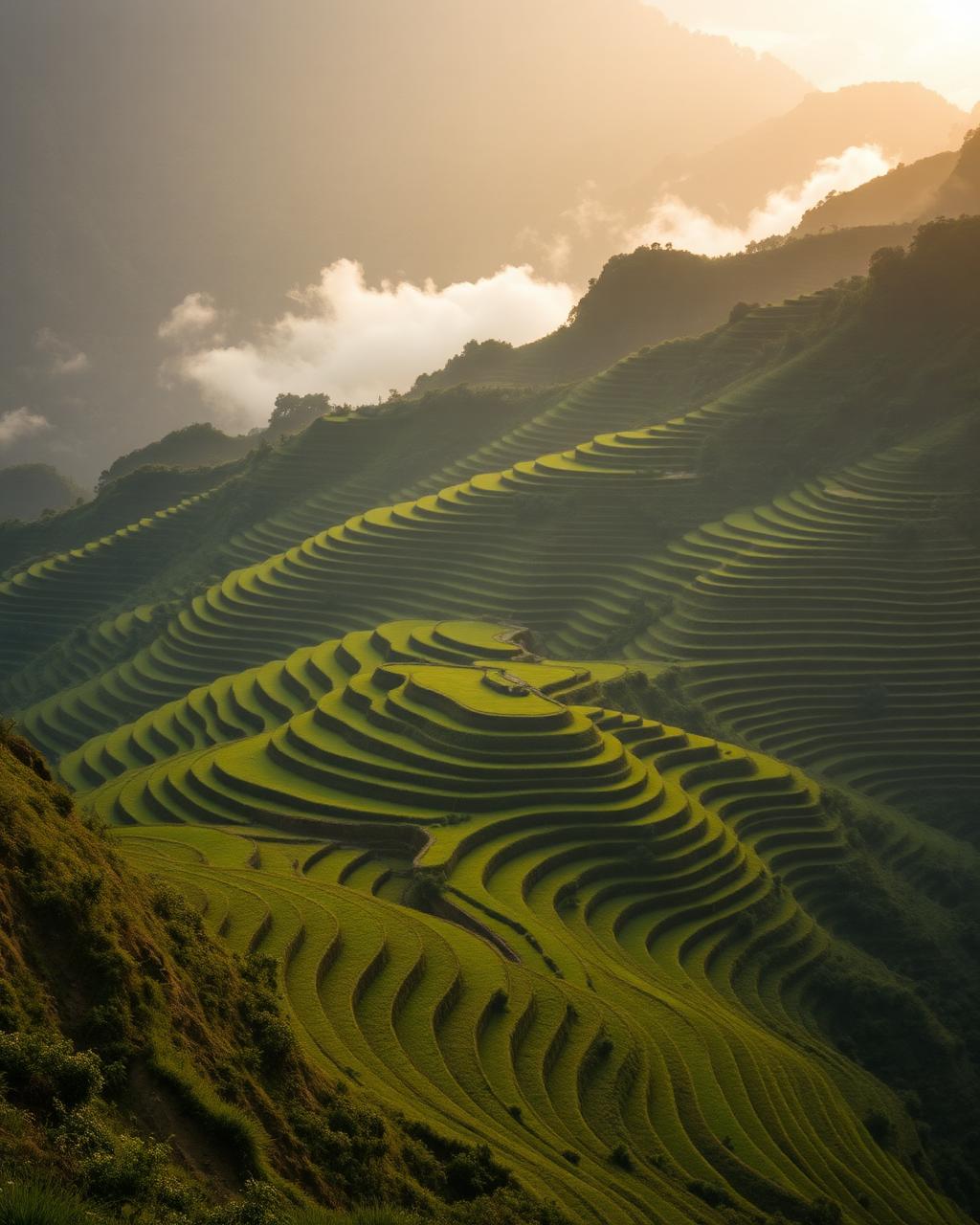
A weaver in Vigan, a farmer above the Banaue terraces, a boatman in Bohol. Slow travel spends money where it stays — with the people who live there.
Leave half the day empty
The best hours on any trip are unplanned. We build itineraries with deliberate gaps so there's room for the invitation you didn't expect.
How to plan a slow trip in Asia
- Pick a region, not a country list. Palawan and its surrounding islands. The Cordillera. Central Java. A region gives you variety without airports.
- Count nights, not days. Divide your nights by three — that's the maximum number of places you should sleep in.
- Choose the season honestly. In the Philippines, roughly December to May is the drier window; the wet months are quieter, greener and cheaper if you don't mind afternoon rain.
- Book the first and last night only. Leave the middle loose enough to extend somewhere you love.
- Find one host per place. One good local contact changes an entire stay. This is most of what we do for guests.
Common questions
Is slow travel more expensive?
Usually the opposite. Fewer flights and transfers, weekly rates on stays, and eating where locals eat tend to bring the cost per day down — even when the trip itself is longer.
Can I travel slowly in one week?
Yes — one base, one week. A single island or town with day trips on foot and by boat is genuinely slow. Two countries in seven days is not.
Does slow travel work with kids or older parents?
It's often the easiest way to travel with family. Fewer packing days, fewer early departures, and a home base everyone can return to in the afternoon.
Want a slow trip planned for you?
Tell us where you're drawn to and how long you have. We'll shape the pace, the bases and the hosts around it.